
Certified Home Inspection · Durango, Cortez and Southwest Colorado
A Thorough Inspection and a Clear Report You Can Act On
You will know what you are buying and what to do about it. I am a former general contractor and Certified Master Inspector, and I am with you through the whole process.
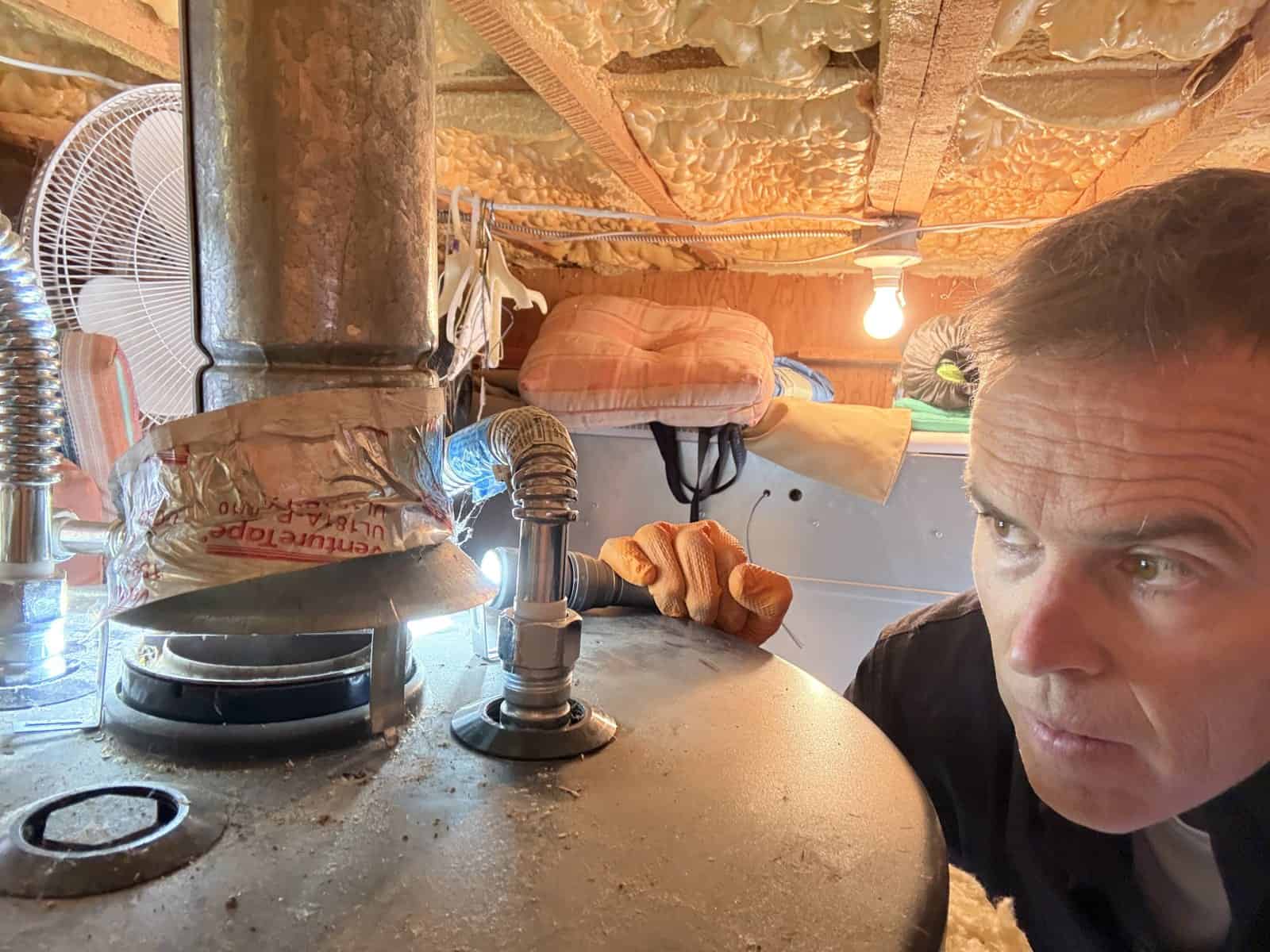
- Thorough. From the roof to the crawlspace, to the full InterNACHI Standards of Practice, by a former general contractor. Problems can be anywhere, so I look everywhere I can safely reach.
- Clear. Annotated photos and plain descriptions. You will not have to decode it.
- Actionable. My comments are worded so anybody can understand and act on them. Often I can tell you what a repair involves, not only that something is wrong.
- Trustworthy. Certified Master Inspector, insured, and the owner of the business. My name is on every report.
Why that experience matters to you
Anyone can learn a checklist. Judgment is earned. Every property I inspect adds context and sharpens how I read the next one.
I know what is routine and what is not
The same crack or stain can be nothing, or it can be worth attention. After this many properties I can tell you which, and say so plainly.
I have seen how problems develop
I have seen the same defect at year one and at year thirty. I know what a small leak, a bit of settling or a worn roof turns into if it is left alone.
I know properties in this area
The soils, the roofs, the wood stoves, the crawlspaces. I know what is ordinary here, so the unusual stands out.
Colorado does not license home inspectors
There is no state exam and no state board. Anyone can call themselves a home inspector here. So the questions you ask are the only screening there is. These are the ones worth asking, with my answers.
What Certified Master Inspector means
It is a board certification from the Master Inspector Certification Board. To earn it, an inspector must have 1,000 fee-paid inspections or hours of education, at least three years in the business, a passed exam, periodic criminal background checks and a commitment to the Board's Code of Ethics.
What it means for you: experience you can verify, from someone who has seen enough properties to know which findings are routine and which ones deserve a closer look.
Also a Colorado-licensed radon measurement professional, license RME.0000058. Radon is the one part of this work the state does license.
What I find that you cannot see at a showing
How often each one turns up in the homes I inspect. These photos are from real inspections.

Roof wear and damage
More than half of homesWorn covering, loose fasteners and missing shingles. I get on the roof whenever it is safe to.

Water in the crawlspace
About 3 in 10 homesNobody looks down here at a showing. I crawl it.
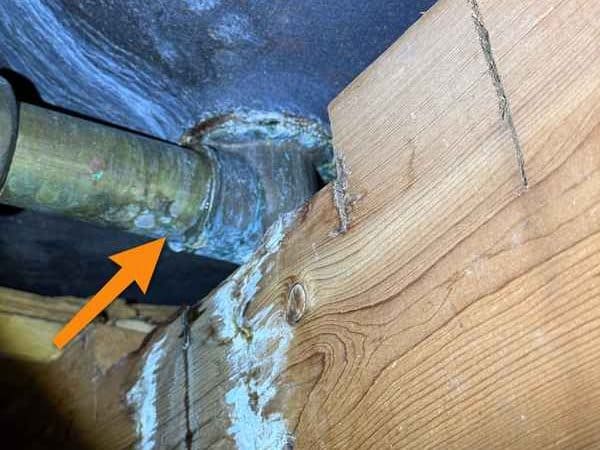
Active plumbing leaks
More than 1 in 3 homesSlow leaks leave trails long before they leave a stain on the ceiling.
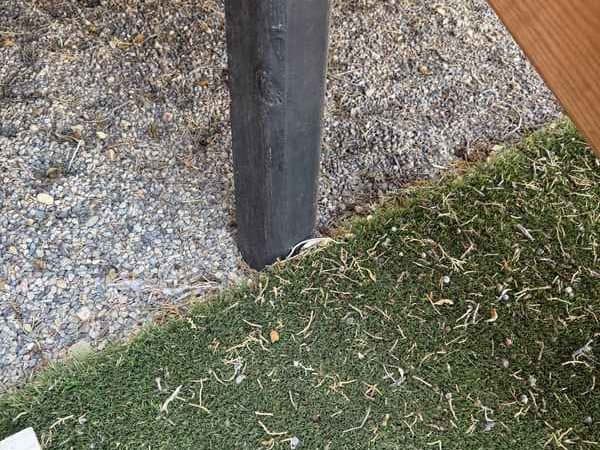
Wood touching soil
About 4 in 10 homesPosts and siding in the dirt rot from the bottom and invite insects.

Heating system issues
Nearly 4 in 10 homesCorroded flues, dirty burners, missing service. I run the system and open it up.
What an inspection can be worth
Every property is different, so I will not put a dollar figure on it. This is how it tends to pay for itself.
Room to negotiate
Buyers often use the report to ask the seller for repairs, a credit or a lower price. One repair of the kind shown above usually costs many times the inspection fee.
Fewer surprises after closing
The repairs that hurt are the ones you did not plan for: a roof, a furnace, a sewer line, a foundation. You find out now, while it is still the seller's problem to discuss.
Knowing what can wait
Most findings are small. Knowing which ones are routine keeps you from spending money on the wrong things first.
What the report gives you
- Rich in photos. Annotated so you can see what I am pointing at.
- Plain language. My comments are worded so anybody can understand them and act on them.
- Sorted by how serious it is. Safety and major items are separated from routine maintenance.
- Next day. In time to use before your objection deadline.
- A Where to Start section. After the findings, it pulls them together, tells you which items to deal with first and what kind of tradesperson handles each one.
- Equipment identified and dated. I photograph the data plates on the furnace, water heater and other equipment, and the report tells you the make and the age of each.
- Sections that go beyond the Standards of Practice. I developed them myself, and they make the report more useful to you.
I took the industry's best reporting software and customized it to present information in a more logical order.
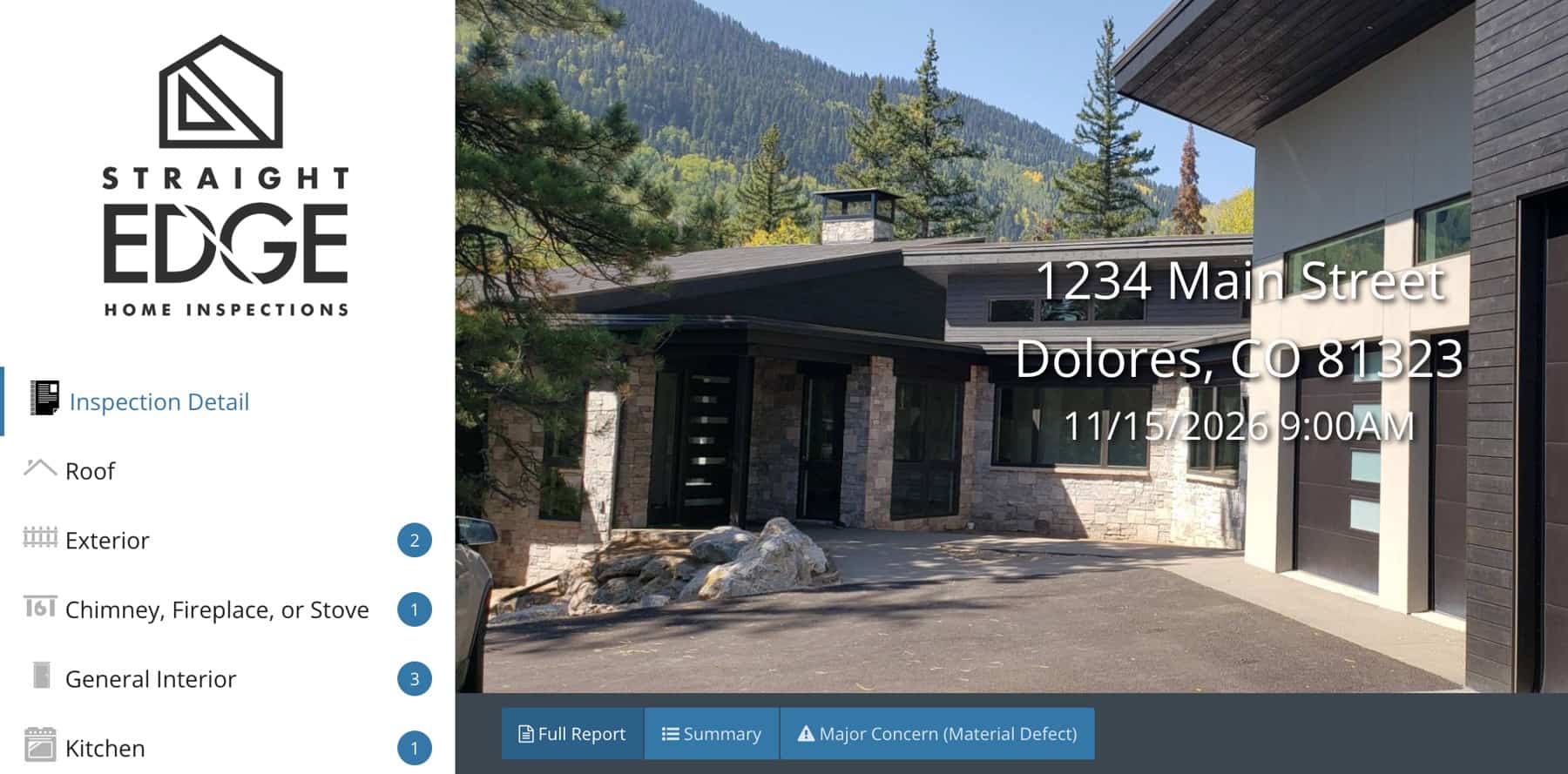

What is inspected
The full InterNACHI Standards of Practice, roof through crawlspace.
How it works
- Schedule online or by phone.Pick your services and a time online, or call me at (970) 317-5639. I arrange access with the agents.
- I inspect.Most inspections take 2 to 2.5 hours.
- Walkthrough, if you want one.You can join me at the end and I will show you what I found. It is optional. The report makes sense on its own.
- Report the next day.Then call me with anything you want to talk through.
- Pay at close if you like.A standard option. No fee and no interest.
Worth adding while I am there
Home inspection questions
Why get a home inspection?
A property is usually the biggest purchase you will make. An inspection finds and documents defects that are not obvious at a showing, from simple repairs to serious damage and ongoing leaks. Buyers often use the report to negotiate repairs with the seller before closing.
Is a new house worth inspecting?
Yes. The average report on a home built since 2015 still has about 11 findings. New does not mean finished right.
Are you licensed and insured?
Colorado has no home inspector license, so no inspector here is licensed by the state for inspections. I am board-certified as a Certified Master Inspector, I hold the Colorado radon measurement license, and I carry both errors and omissions and general liability insurance.
Can I be there?
You are welcome to, but a walkthrough is not necessary. My reports are written to be understood from a distance, and we will have any follow-up conversation you want. If you would like to be there, I support whatever works for you. Most people show up toward the end, and sometimes a new buyer can really benefit from being there the whole time. We just make sure to check with the agent first.
How long does it take?
Most inspections take 2 to 2.5 hours. Larger or older properties take longer.
I am selling. Is an inspection useful before I list?
Yes. You find out what a buyer's inspector will find while you still have time to make repairs, and you stay ahead of surprises during negotiation.
Can I pay at closing?
Yes. Pay at close is a standard option, with no fee and no interest.
The numbers on this page come from my own inspection reports. They describe the homes I was hired to inspect, not every home in the area.
Make informed decisions.
A clear, detailed report helps you make better choices, save money and take stress out of buying, selling or maintaining a property.


